
This coming Wednesday, the Bryce family gathers for our annual Thanksgiving Eve cheese and chocolate night, one of our favorite traditions. It began by accident one year when my brother Jeff arrived with a bunch of cheeses, and we ended up tasting our way through all of them. We loved it so much that we kept the ritual going. Later, my brother Bryan and his wife, Jamie, discovered bean to bar chocolate while living in Provo, Utah, and chocolate joined the menu. Now, each year, I watch family members close their eyes and taste unique flavors, debating them like faux experts. Some swear that Hershey’s, Dove, Lindt, or Ghirardelli beat out Manoa, Ritual, Amano, or François Pralus. We tease each other about our favorites, and it has become one of the most silly and enjoyable parts of the night.
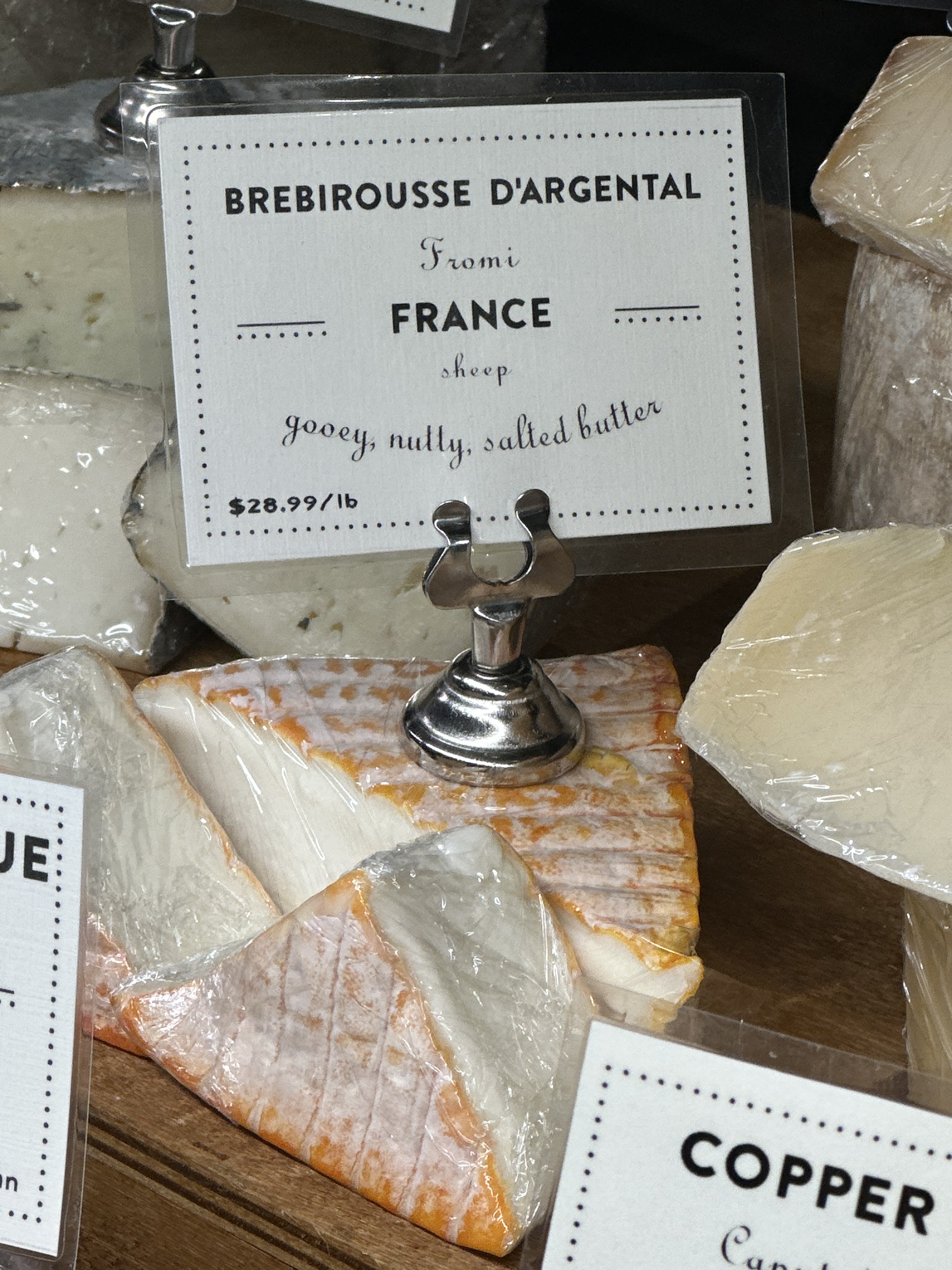
This year, I drove with a good friend in her Dodge Charger two hours to Tucson in search of great cheeses. We had a blast tasting through the case and letting our cheesemonger, Christian, guide us. Bryan shopped via text message, challenging the monger to find him anything that could compete with a French cheese. By the time we were all done, I felt even more excited to lay everything out on our potluck charcuterie board for the whole family to sample. It’s our pre-game for Thanksgiving and our warmup for the turkey trot, and it’s open to anyone who wants to join. Somehow, this simple tradition has become a small engine of unity, hope, and kindness for me and my family.
This morning, as I was still thinking about soft, spreadable cheeses and the Comté tasting notes in my fridge and the perfect chocolate pairings to set beside them, I read an opinion essay in the New York Times about the newly released Epstein emails. The writer focused on how the elite talk to one another. Their coded language, secrecy, and small privileged circles to trade information the rest of the world doesn’t get.
I wasn’t expecting to think about the Bryce Family cheese and chocolate night while reading it, but there it was. I had a recognition that “taste” and “knowledge” can easily become forms of social currency. The emails weren’t about flavor or food, obviously, but the dynamics were the same. There’s a sense of who knows what, who shares intel with whom, who’s on the inside, and who stays on the outside. It made me stop and think. Not in a dramatic way, but in a “huh” kind of way. How often do I slip into imitating this?
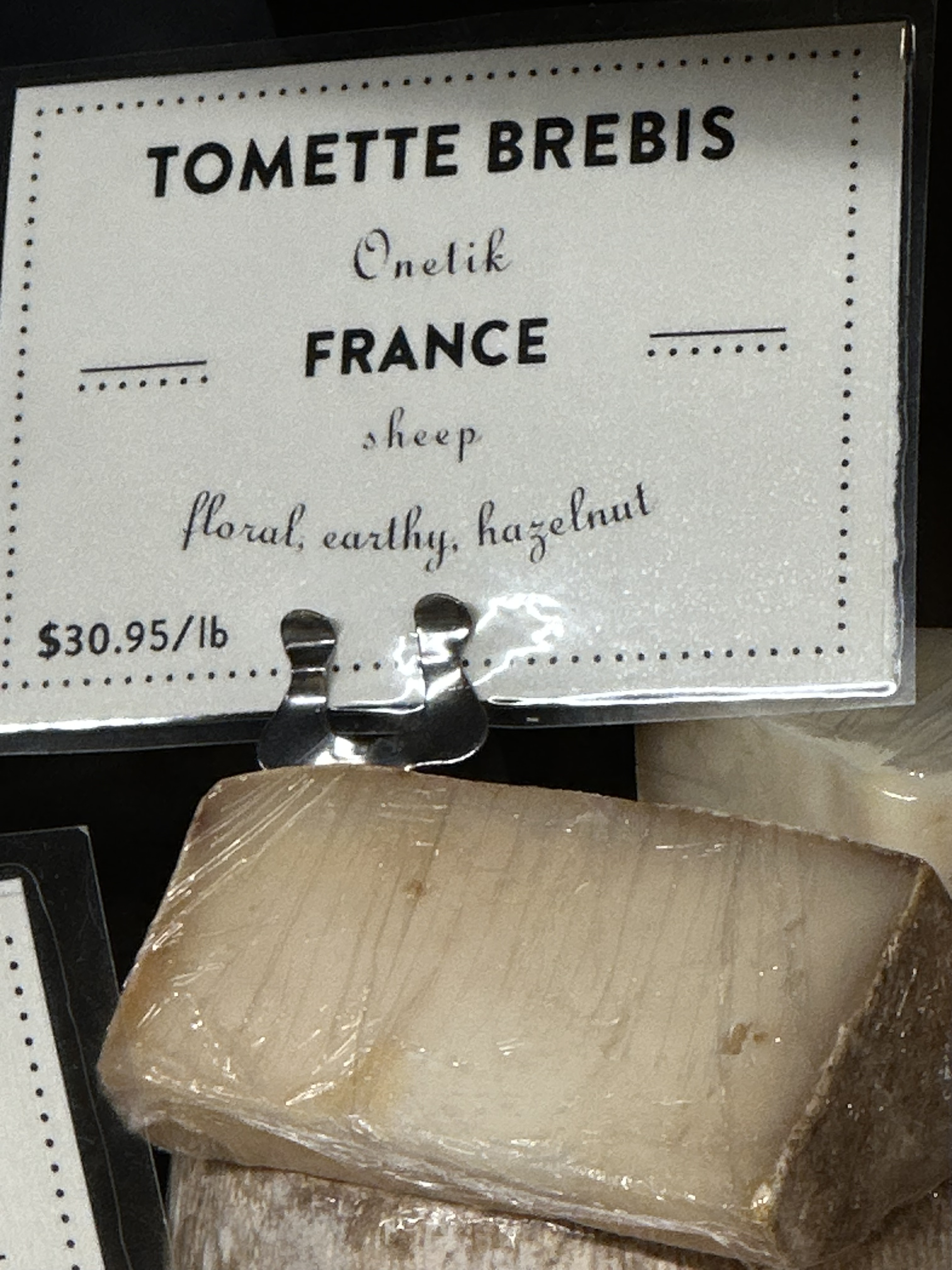
It seems to me that “taste” is one of the most acceptable ways to signal status. You don’t have to be rich to do it. Sometimes all you need is the right jargon. Words like “affinage,” “terroir,” “bloomy rind,” “raw-milk goat,” “single-origin,” or “micro-batch” can create a sense that some people are initiated, and others aren’t.
It’s subtle, and most of it is harmless on the surface. But underneath, it works the same way class does. Who knows the right words, the right makers, the right stories.
And sometimes, rural, working and middle class people (my people) imitate these upper class behaviors without even realizing it. We learn the language. We get a thrill from knowing “more” than others. We revel in the idea that we’ve discovered something rare. If I’m honest, I love a unique cheese precisely because it feels like discovering a secret. And secrets have power.
So when I’m standing at the cheese counter, I can feel a pull in me. It is a desire to choose something obscure and then hold it like a little badge of identity. Something only I know well enough to explain. Something that says, “See? I am on an elevated level of good taste.”
I am tempted to gate keep. I want to keep the best knowledge for myself, to decide who “gets it,” to be the person who knows. But that’s not who I want to be. And it’s not who I am when I’m grounded. My coworker, Kay, introduced me to an “intuition development” system where I picked my “Truth Word” to be INVITING. I believe in a big table. I believe that joy multiplies when more people are included, not when fewer people are impressed. Even in something as small as this chocolate and cheese night, the tension is real. Do I want to impress people, or do I want to include them? Do I want to be admired, or do I want to be in true community?
So I decided I’m going to experience this tradition in a way that is true to me. Yesterday, I picked some cheeses that made me excited some spreadable goat cheeses, a nutty alpine style, French bloomy. I regret not buying more of the blue cheese from Oregon. When we sample them on Wednesday, I am going to do it with an open heart. Bryce Family cheese and chocolate is about joy, not distinction. Instead of imagining how to show off, I invited even more people to come share. Instead of thinking, “Will they know this cheese?” I thought, “Will they feel welcome trying it?”
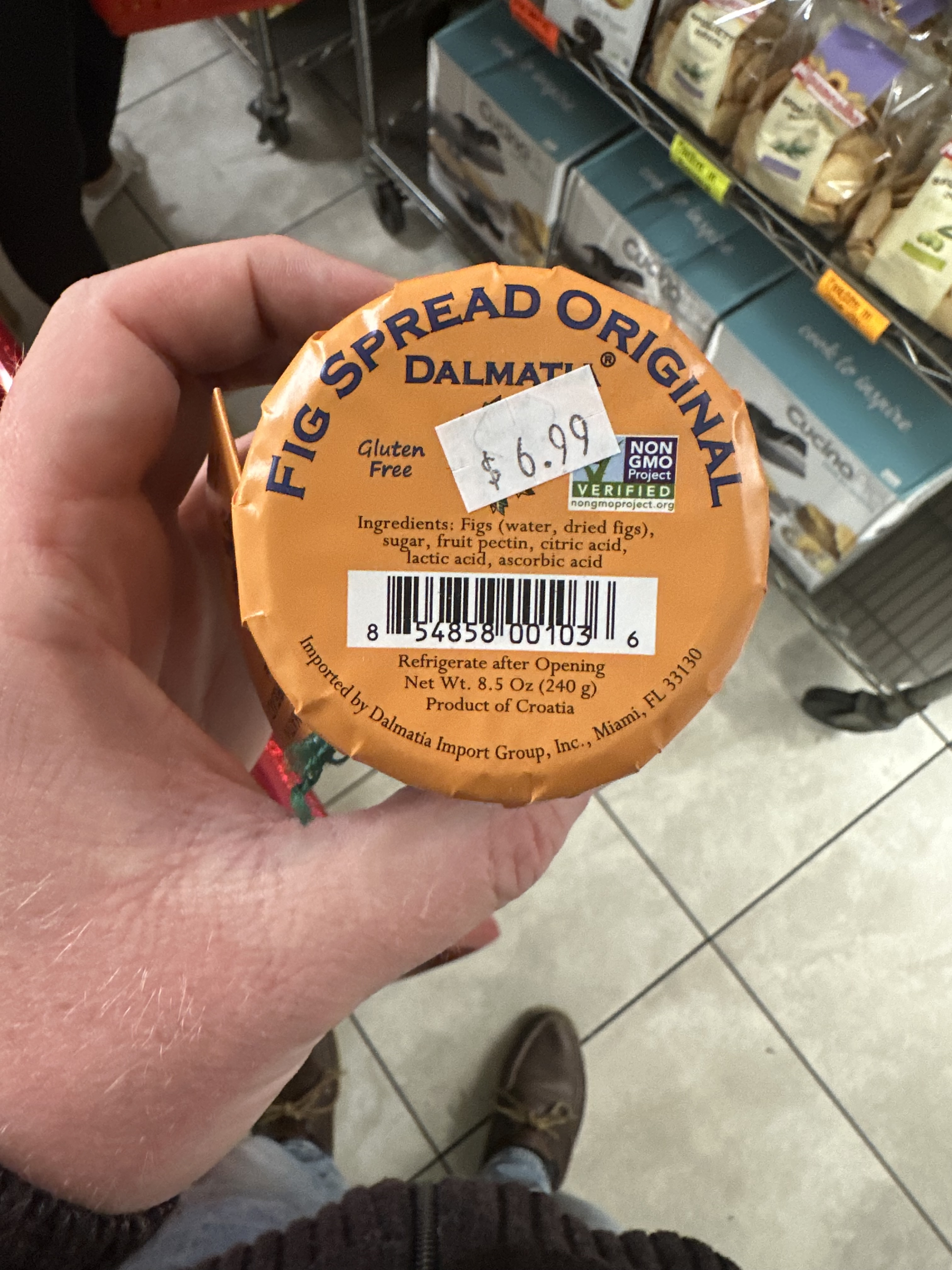
I even caught myself starting to prepare little cards to didactically explain about each cheese “creamy with grassy undertones,” but I’m not going to do that. That wasn’t for this big table. Not this family night. The only notes I want to use are: “Try this,” “Tell me what you think,” “Isn’t this fun?” I want people to discover what they like, not what they’re supposed to like. That felt like a better choice one that lined up with my values instead of my ego.
Ego is not just in a cheese counter in Tucson. It’s everywhere. In hobbies. In politics. In church. In workplaces. We use knowledge as a gate instead of a tool. We speak in jargon and acronyms so others feel small. We hoard access because scarcity makes us feel powerful.
We turn to taste, intelligence, or insider information into ways to climb a ladder that doesn’t even lead to meaning. But there’s another way. A better way. A bigger table, where sharing what you love is the whole point.
This connects to something I’ve been reflecting on this year. It’s the scripture verse from the Book of Mormon in the Book of Alma that I find myself returning to again and again. “By small and simple things are great things brought to pass.” It reminds me that community love is built in little moments. Inclusion is built in tiny choices. Community is built in the quiet, generous ways we remind ourselves that we are all in the in crowd.
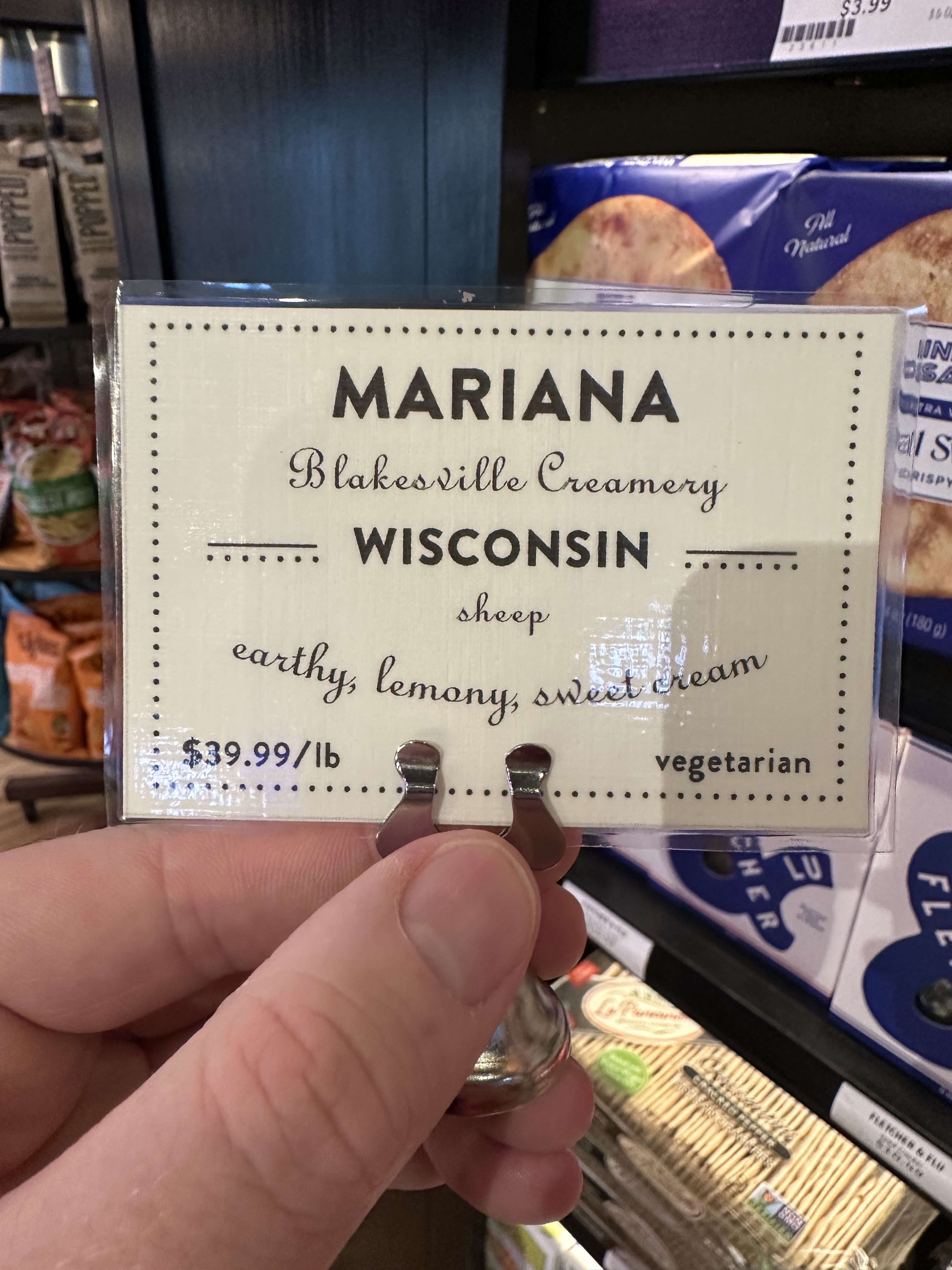
Terroir (the way soil, climate, geography, and local human craftsmanship shape a food’s flavor) gets talked about like it’s some mystical inheritance reserved for people with money, education, or the right kind of taste. But the truth is that terroir belongs to the the farmers, the workers, the cheese-makers, the orchard hands, the herders, the ones up before dawn milking goats or turning curds or harvesting cacao in the heat. They’re the ones whose sweat and judgment and generational knowledge create anything worth tasting. The elite may try to wrap terroir in lofty language and fancy packaging, exclusive clubs, and insider circles, but they’re borrowing meaning they never earned. The soil doesn’t care about status, and neither do the people who shape it. If anything, terroir is a working-class story. The elite can shove it.
This year I want the party be a medium for connection, not shame and disconnection. My hope is that everyone feels like they belong whatever the cost of their favorite cheese or chocolate. Life is long, and the table should be, too. There’s room for all of us.


 Vance Bryce